Typography T Shirt Design: Fonts & Styles
Typography t shirt design is text used as the artwork itself — no illustration required, which is why it is the most accessible and one of the best-selling styles in print on demand. The whole discipline comes down to three decisions: which font to use, which style to commit to, and how to lay the text out. Get those right and a single well-set word outsells a cluttered graphic.
This guide covers font choice and pairing, the style spectrum from clean sans to Y2K chrome, and the four text layouts that do most of the heavy lifting on apparel.
Choosing fonts for a typography t shirt
A t-shirt font has one job: be readable and impactful from across a room. That rules out most delicate, thin, or overly decorative typefaces. As of 2026, the fonts that consistently work are bold and high-contrast — clean geometric sans-serifs, heavy condensed gothics, and vintage-flavored serifs.
- Condensed caps (Bebas-style) — tall, tight, and punchy; ideal for slogans and athletic looks.
- Heavy gothic / impact — dense and aggressive; the backbone of streetwear typography.
- Clean geometric sans — versatile and modern; the safest choice for broad appeal.
- Vintage serifs and slabs — warm and nostalgic; strong for retro and music merch.
Keep the design to one or two colors regardless of font — this is the same discipline that makes simple shirt designs read so well.
Beyond the category, a few technical traits separate a good t-shirt font from a bad one. Look for generous weight (thin fonts disappear on fabric and can drop out in printing), open counters (the enclosed spaces inside letters like "a" and "e" that keep text legible when it is small), and even spacing. Novelty and hyper-decorative display fonts can work as an accent, but they rarely carry a whole design — reserve them for a single word, not a paragraph.
Font pairing: the two-font rule
Most typography designs use two typefaces: one expressive display font for the headline and one quiet, readable font for the supporting text. The mistake beginners make is pairing two loud fonts, which makes them compete and the shirt hard to read. Pair contrast with calm.
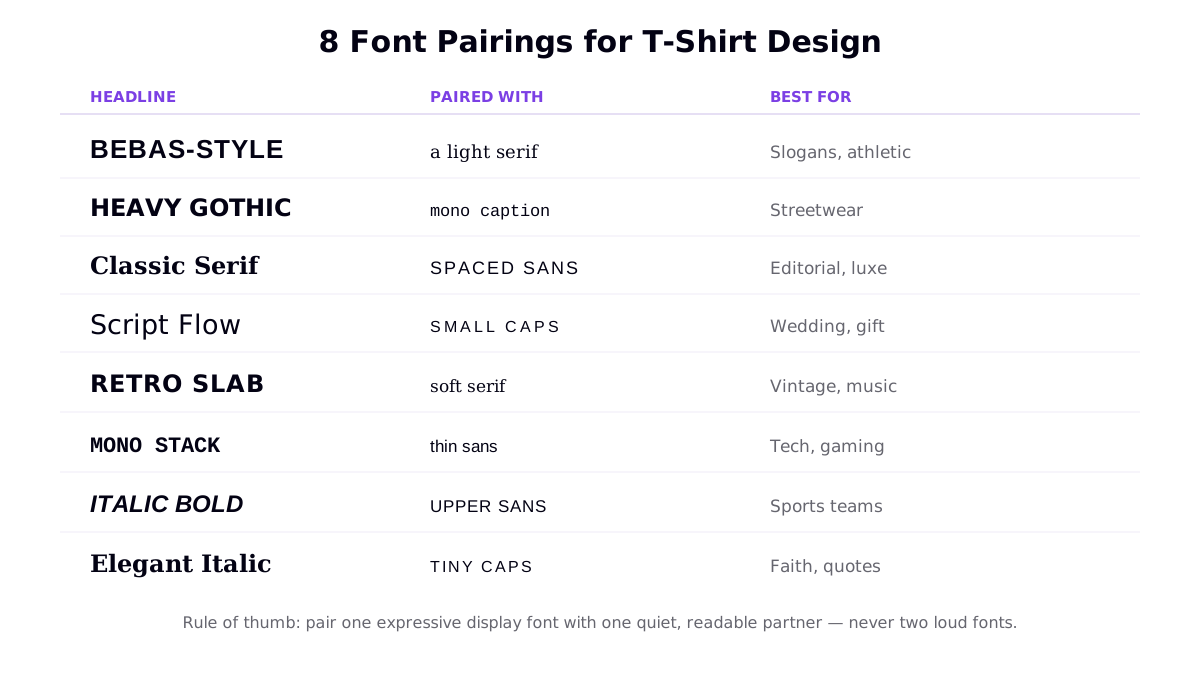
Whatever you pair, limit yourself to two typefaces and two colors. If a design feels busy, the fix is almost always to remove a font, not add one.
The typography style spectrum
Beyond individual fonts, typography t shirts fall into recognizable styles. Think of them on a spectrum from clean and minimal to loud and maximal. Your niche and audience decide where on that spectrum you should sit.
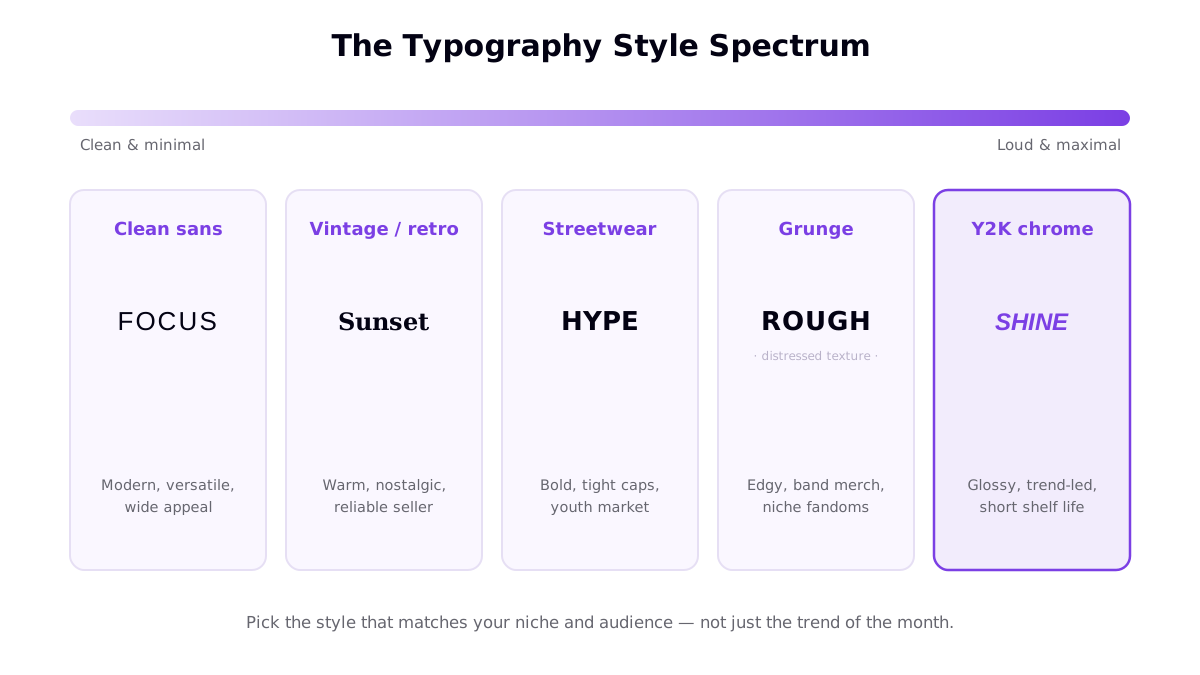
| Style | Feel | Best audience | Longevity |
|---|---|---|---|
| Clean sans | Modern, versatile | Broad, everyday buyers | Evergreen |
| Vintage / retro | Warm, nostalgic | Music, travel, hobbies | Very durable |
| Streetwear | Bold, hype-driven | Youth, fashion niches | Medium |
| Grunge | Edgy, distressed | Band merch, fandoms | Niche-dependent |
| Y2K chrome | Glossy, trend-led | Gen Z, novelty | Short shelf life |
Evergreen styles (clean sans, vintage) are the safest foundation for a shop; trend styles (Y2K) can spike but fade fast, so use them tactically rather than as your whole catalog.
Text layout templates that always work
Once you have your font and style, layout is what turns text into a composition. Four templates cover the vast majority of typography shirts:
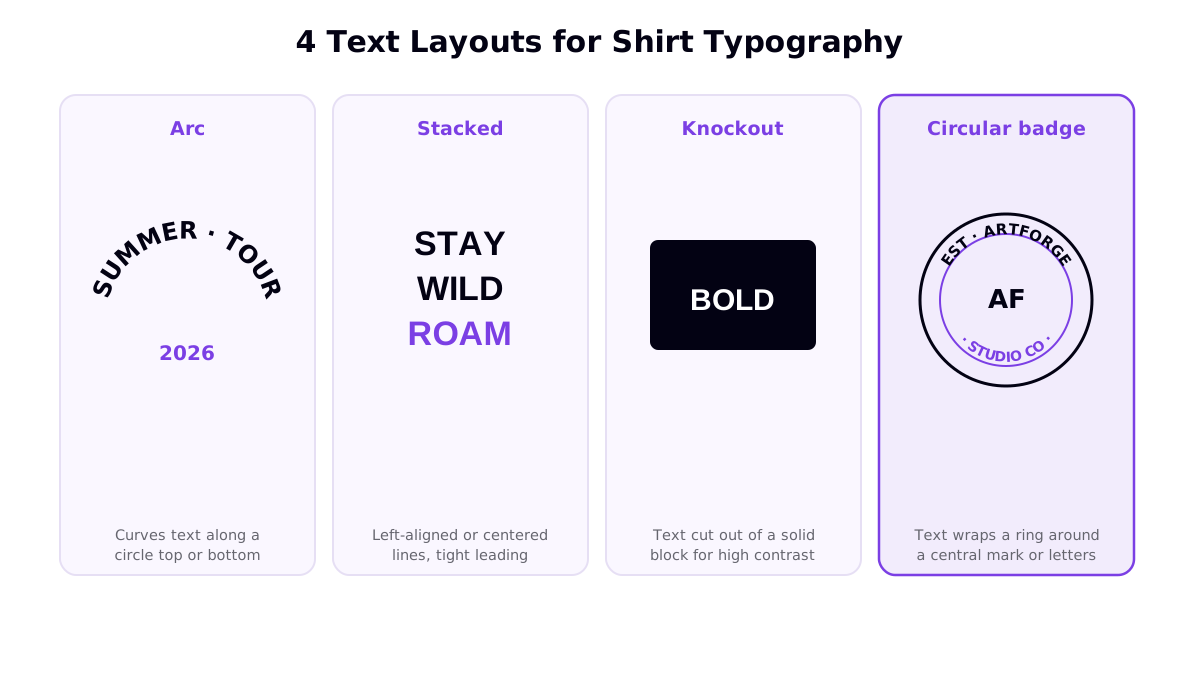
- Arc — curve the text along a circle, top or bottom. Great for tour dates, place names, and event shirts.
- Stacked — multiple short lines with tight leading, centered or left-aligned. Punchy and confident.
- Knockout — set the text inside a solid block and cut it out, creating high contrast that pops on any garment color.
- Circular badge — wrap text in a ring around a central mark or monogram. Reads as a brand or crest.
Whatever layout you choose, leave generous margins so the composition sits comfortably inside the print area rather than crowding the edges — a common issue we flag in the complete t shirt design guide.
Writing copy that carries the design
In typography design the words are the artwork, so the phrase itself has to do real work. The best-selling typographic tees are built on lines that are short, specific, and emotionally exact for a niche. Three quick rules keep your copy strong:
- Shorter is stronger. One to four words is the sweet spot. Long sentences shrink the type and weaken the impact — if it needs a sentence, it probably needs an edit.
- Be niche-specific. "Coffee lover" is generic; a phrase only a certain group would say makes that group feel seen and far more likely to buy. Specificity is what turns a slogan into a purchase.
- Say it out loud. Typographic shirts are read as speech. If the line sounds natural spoken, it will land on the shirt; if it sounds like a caption, keep working it.
Once the phrase is right, the hierarchy — which word is biggest, which is the accent color — tells the eye how to read it. Emphasize the punchword and let the rest support it, exactly as you would in a headline. That interplay of copy and layout is what makes a plain string of words feel designed.
Font licensing: do not skip this
Fonts are licensed software. Many free fonts are for personal use only, and selling shirts is commercial use. Before you publish a typography design, confirm the font carries a commercial or extended license, and keep proof on file. A great design built on an unlicensed font is a liability, not an asset. The same care applies to any purchased artwork — see our notes on SVG t-shirt design files and licensing.
Frequently asked questions
What are the best fonts for typography t shirt design?
The best t-shirt fonts are bold, high-contrast, and readable from a distance. As of 2026, clean geometric sans-serifs, heavy condensed gothics, and vintage-flavored serifs lead the trends. Bebas-style condensed caps work for slogans and athletic looks, heavy gothic and impact fonts suit streetwear, and elegant serifs fit quotes and gift shirts. Choose based on your niche and audience, not just what looks trendy.
How many fonts should a t shirt design use?
Stick to two fonts and two colors at most. Pair one expressive display font for the headline with one quiet, readable partner for supporting text. Using two loud fonts together creates visual competition and makes the design hard to read. When in doubt, one strong font used well beats a clever pairing done poorly.
How do you lay out text on a t shirt?
The four reliable layouts are arc (text curved along a circle), stacked (multiple lines with tight leading), knockout (text cut out of a solid shape for contrast), and circular badge (text wrapped in a ring around a central mark). Pick the layout that fits your phrase length and keep generous margins so the composition sits comfortably inside the print area.
Can I use any font for commercial t shirt designs?
No. Fonts carry licenses, and many free fonts are for personal use only. Selling shirts is commercial use, so you need a font with a commercial or extended license. Always check the license before you publish, and keep proof of your licenses in case a marketplace or the foundry asks.