Cool T Shirt Designs: 75 Ideas That Sell
Cool t shirt designs share one trait: they let the person wearing them say something without saying a word. The coolest tees are not the most complicated — they are the ones built around a single sharp idea, aimed at a specific audience, and executed cleanly. This guide breaks down what makes a design cool, the themes that sell best, and 75 idea directions you can adapt to your own niche.
Instead of a gallery you scroll past and forget, you will get a repeatable way to generate ideas. Because on print-on-demand marketplaces, the sellers who win are the ones who can produce many good concepts, not one perfect one.
What makes a t-shirt design cool
Strip away the noise and cool designs almost always do these things:
- One clear idea. A single joke, image or phrase reads instantly. Two competing ideas cancel out.
- Made for someone specific. "For anyone" is forgettable; "for night-shift nurses who love true crime" feels made-to-order.
- Legible at a glance. If a stranger can't get it from across a room, it is too busy. Contrast against the garment matters as much as the art.
- An identity signal. Buyers wear shirts to broadcast humour, taste, values or belonging. Cool designs give them a flag to fly.
Nail those and the visual style is almost secondary. A plain typographic tee with the right line for the right audience out-sells a gorgeous illustration aimed at nobody in particular.
How cool t-shirt trends have evolved
What counts as "cool" cycles. Understanding the arc helps you spot which revival is due next — and today's trends lean heavily on reviving earlier decades.
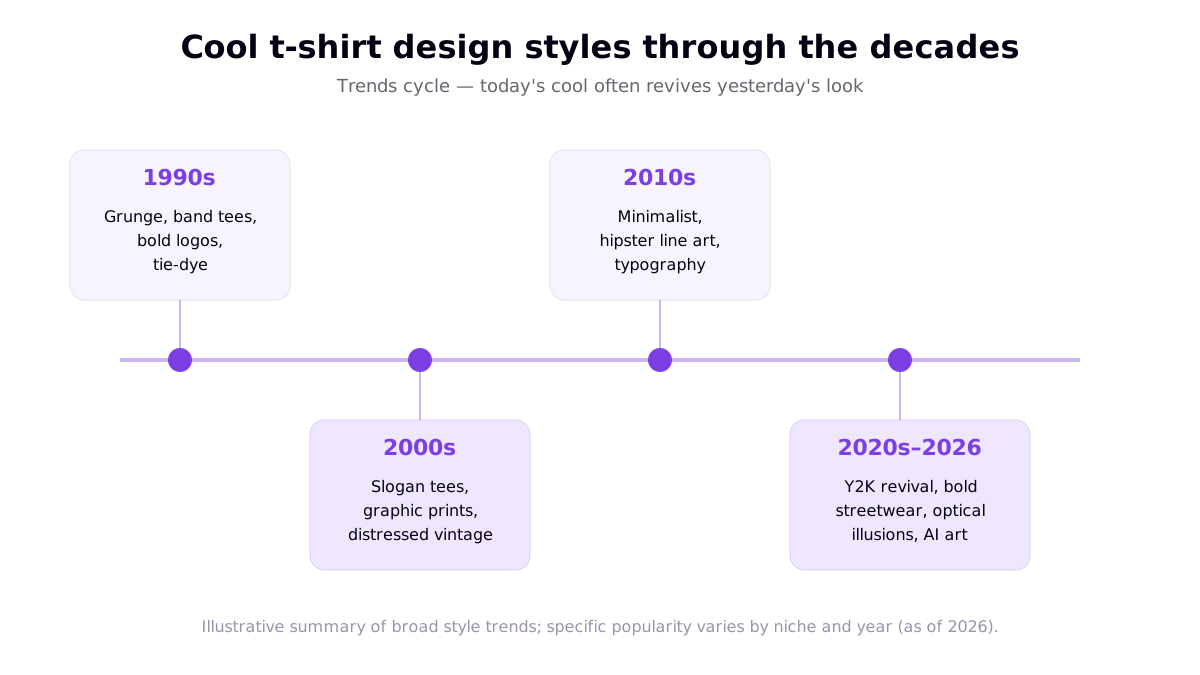
As of 2026, several looks are prominent at once: bold Y2K-inspired graphics and chrome type, oversized streetwear layouts, refined minimalist line art, nature-inspired botanicals, optical illusions that make people look twice, and polished takes on tie-dye and nostalgia. The lesson is not to chase every trend but to pick one that genuinely fits your niche and execute it well.
The themes that actually sell
Trend styles come and go, but certain themes sell consistently because they map to why people buy graphic tees in the first place.
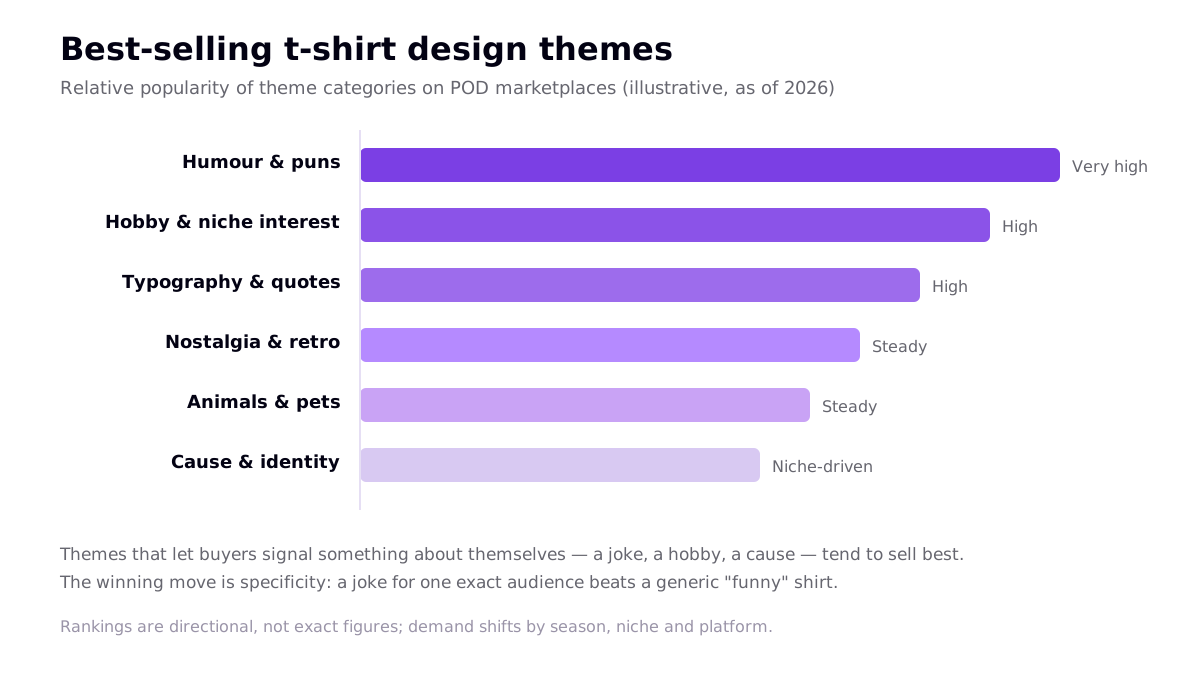
- Humour & puns — people wear jokes to show their sense of humour. Match the joke to a precise audience. See what actually sells in funny t-shirt designs.
- Hobby & niche interest — fishing, gardening, gaming, running. Enthusiasts happily wear their obsession.
- Typography & quotes — words as the whole design; endlessly adaptable and cheap to produce.
- Nostalgia & retro — throwback aesthetics that tap into a specific era or memory.
- Animals & pets — "dog mom," breed-specific art, and cute creatures are evergreen.
- Cause & identity — values, professions and communities buyers want to represent.
75 cool t-shirt design ideas by category
Rather than list 75 finished designs (which would be out of date in a season), here are 75 idea directions across the themes above. Pair any of them with a style — typography, minimalist, vintage, illustrative — to make it your own.
Humour & puns (1–15)
Occupation jokes, hobby self-deprecation, plant puns, coffee dependency lines, pet-owner confessions, introvert humour, dad jokes, gym excuses, sarcastic motivational quotes, food puns, night-owl gags, procrastination jokes, "cool but tired" energy, ironic slogans, and gently rude one-liners aimed at a niche.
Hobby & niche interest (16–30)
Fishing, hiking, camping, gaming, board games, running, cycling, gardening, baking, knitting, birdwatching, astronomy, chess, DIY/woodworking, and vinyl-record collecting — each with insider language only enthusiasts recognise.
Typography & quotes (31–45)
Stacked bold statements, single-word power designs, arced text badges, knockout type on colour blocks, script overlays, motivational mantras, funny quote layouts, minimalist wordmarks, monogram styles, vertical text, city/state pride text, retro slab serifs, condensed streetwear type, hand-lettered quotes, and quote-plus-tiny-icon combos.
Nostalgia & retro (46–58)
80s arcade aesthetics, 90s color-block, faux-vintage sports crests, sunset gradients, retro camp/park badges, cassette and boombox motifs, old-computer pixel art, throwback travel posters, distressed college-varsity looks, VHS glitch styles, roller-rink vibes, retro botanical, and vintage advertising parody (original, non-infringing).
Animals, nature & identity (59–75)
Breed-specific dog and cat art, "pet parent" typography, line-art wildlife, botanical illustration, mountain and ocean scenes, star signs, birth-month flowers, profession pride ("teacher," "nurse," "engineer"), hobby-plus-identity mashups, family and reunion themes, and cause/community designs.
For clean, minimal takes on any of these, our guide to simple shirt designs that sell shows how less can convert better.
Brainstorm your own with an idea matrix
The fastest way to never run out of concepts is to systematise it. Put styles on one axis and niches on the other, then fill the grid.
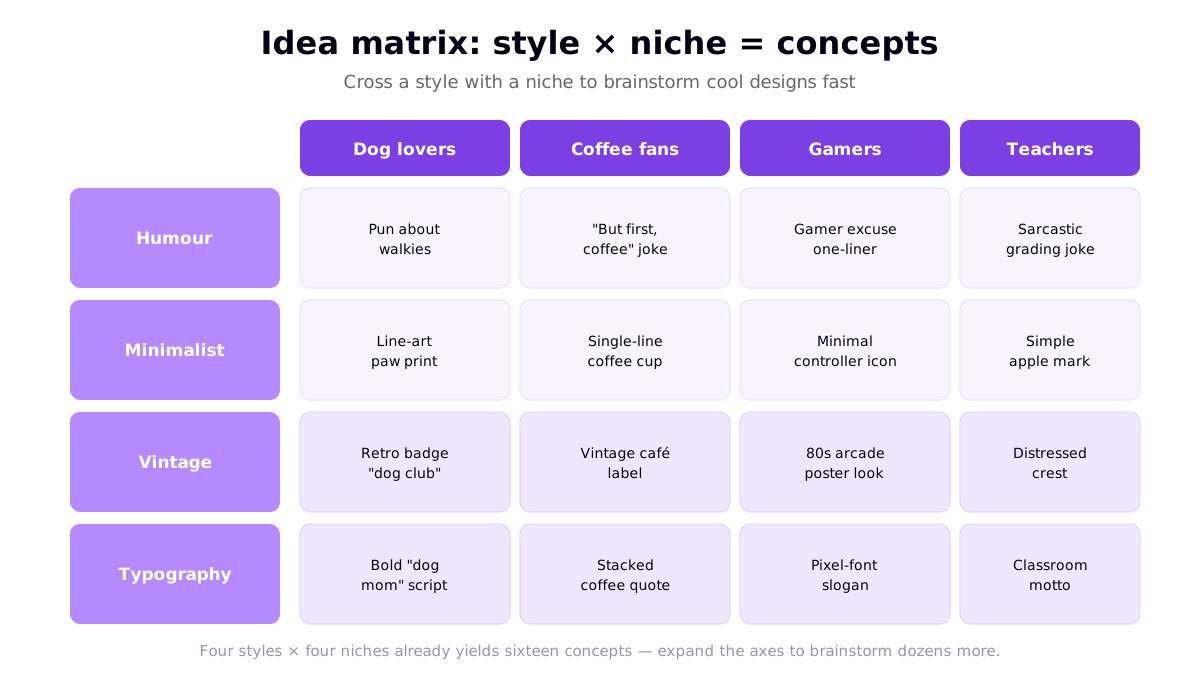
Four styles by four niches already produces sixteen ideas. Add two more of each and you have thirty-six. This is why print on demand favours volume: you can spin up dozens of testable concepts in an afternoon, list them, and let the market tell you which are actually cool. The mechanics of designing each one are covered in our complete t-shirt design guide.
Turning cool ideas into sellable shirts
A cool idea still has to become a clean, print-ready file. Keep the essentials in mind:
- Design at 300 DPI at print size so the print is sharp, not fuzzy.
- Export a transparent-background PNG for apparel, or a vector for pure type and simple graphics.
- Check contrast against light and dark garments before you commit.
- Stay original. Referencing brands, characters or teams you do not own risks a suspended shop — make original work and check platform IP rules first.
Frequently asked questions
What makes a t-shirt design cool?
A cool t-shirt design usually does one thing well: it lets the wearer signal something about themselves — a sense of humour, a hobby, a taste, a cause — and it reads clearly from a few feet away. Strong designs tend to be built around a single idea, use confident type or graphics with good contrast against the garment, and speak to a specific audience rather than everyone. Simplicity and a clear message beat clutter almost every time.
What t-shirt designs sell best?
On print-on-demand marketplaces, themes that let buyers express identity tend to sell best: humour and puns, hobby and niche-interest designs, typography and quotes, nostalgia and retro looks, and animals or pets. The common thread is specificity — a joke or reference aimed at one exact audience outperforms a generic 'funny' shirt because it feels made for that person.
How do I come up with cool t-shirt design ideas?
Use a matrix. List a few design styles down one side (humour, minimalist, vintage, typography) and a few niches across the top (dog lovers, coffee fans, gamers, teachers), then fill in the cells. Four styles by four niches already gives sixteen concepts. Expanding the axes generates dozens quickly, which matters because print on demand rewards testing many ideas over polishing one.
Are cool t-shirt designs allowed to reference brands or characters?
Generally no. Referencing brands, logos, characters, TV shows, sports teams or celebrities you do not own can infringe trademarks or copyright and is one of the fastest ways to get a shop suspended. Make original designs, or work in styles inspired by an era or genre without copying protected elements. When in doubt, check the platform's intellectual-property rules before you publish.
Resources
- Printful — Next-level T-Shirt Design Ideas (top ranking result and trend reference)
- 99designs — Cool T-shirt Designs Inspiration (top ranking result)
- Printify — T-shirt Design Ideas (top ranking result)
- Threadless — Artist-designed apparel (marketplace design examples)