T Shirt Printing at Home: 6 DIY Methods
T shirt printing at home is easier and cheaper than most people expect. Depending on your budget and the look you want, you can decorate a shirt with nothing more than an inkjet printer and an iron, or build a small studio with a cutting machine and heat press. This guide compares six proven DIY methods — iron-on, vinyl, screen printing, sublimation, DTF, and bleach or paint — so you can pick the right one for your project.
We will also show, honestly, when printing at home makes sense and when a print-on-demand service is the smarter call.
The 6 DIY t-shirt printing methods at a glance
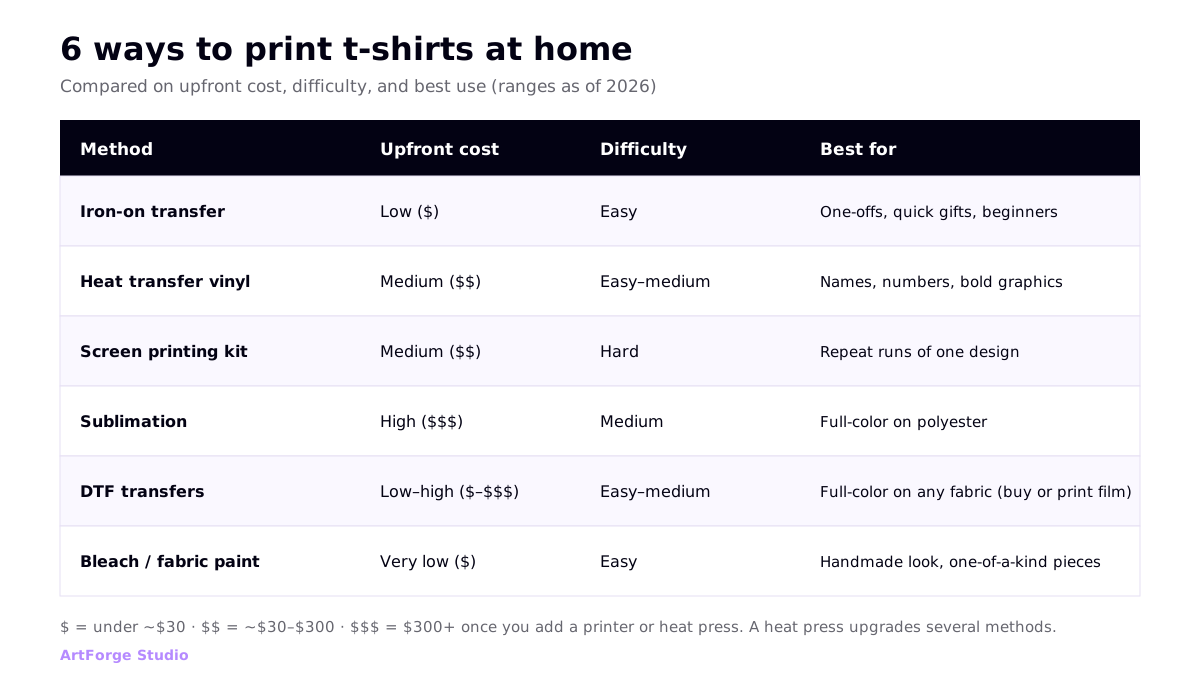
Each method trades off cost, difficulty, and the kind of design it handles best. Here is the quick comparison before we dig into each one:
1. Iron-on transfer paper
The simplest way to print a shirt at home. You design your graphic, print it onto inkjet transfer paper, cut it out, place it face down, and press with a hot iron for roughly 10–15 seconds before peeling the backing. It needs no equipment beyond a printer and an iron, making it perfect for beginners, gifts, and one-off shirts. The trade-offs: the print can feel slightly plasticky and is less durable than other methods, and light-fabric and dark-fabric transfer papers differ, so buy the right kind.
2. Heat transfer vinyl (HTV)
Vinyl gives crisp, opaque, long-lasting graphics for names, numbers, and bold single-color designs. You cut the design from a colored vinyl sheet with a machine like a Cricut, weed away the excess, and heat-press it onto the shirt. It is a step up in equipment and skill but produces professional results. We cover the full workflow, press settings, and layering in our dedicated vinyl shirt printing guide.
3. Screen printing kit
The most hands-on home method, and the most durable for repeat designs. You burn a stencil onto a mesh screen, then push ink through it onto the shirt. A home kit is affordable, but there is a real learning curve around emulsion, registration, and curing. Screen printing shines when you want many copies of the same one- or two-color design; for the full mechanics see our guide to screen printing shirts.
4. Sublimation
Sublimation prints full-color, permanent designs by turning solid dye into gas that bonds into polyester fibers. It produces vivid, no-feel prints that never crack because there is no ink layer on top — but it only works on polyester (or poly-coated) light-colored fabrics, and it requires a dedicated sublimation printer and heat press. It is the highest-cost home setup but excellent for all-over and full-color polyester apparel. See how it works in our sublimation t-shirt printing guide.
5. DTF transfers
Direct-to-film (DTF) transfers work on almost any fabric, including cotton, blends, and polyester, in full color. You can print your own DTF film with a compatible printer, or — the easy route — buy ready-made transfers and simply heat-press them on. Buying transfers keeps startup cost low; a full home DTF printer setup is a larger investment. Learn more in our DTF t-shirt printing guide.
6. Bleach designs & fabric paint
The most artisanal and lowest-cost options. Bleach designs use a stencil (often freezer paper) and diluted bleach to lift color from a dark cotton shirt, creating a distinctive tie-dye-adjacent look. Fabric paint with a stencil or freehand gives a handmade feel. Both cost very little and are great for one-of-a-kind pieces, though results are less repeatable than printed methods.
What it costs to start
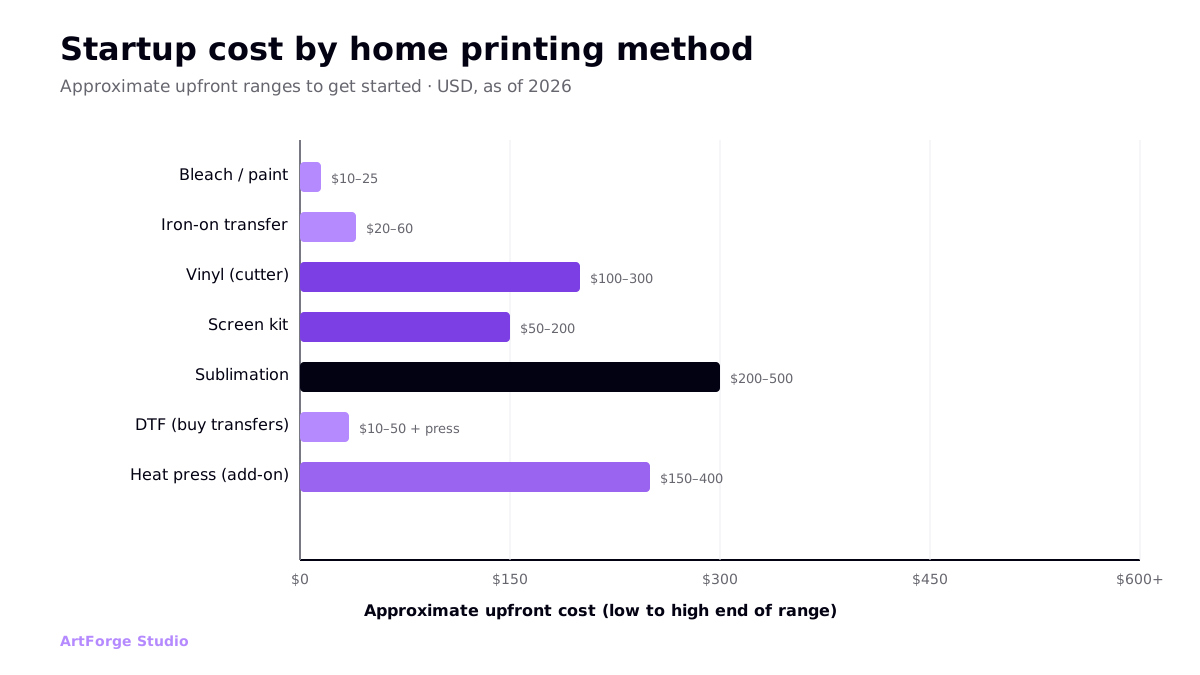
Startup cost is the deciding factor for most people. Bleach and iron-on can be tried for pocket change; vinyl and sublimation are real investments once you add a cutter, printer, or heat press.
| Method | Typical startup cost | Durability |
|---|---|---|
| Bleach / fabric paint | Under ~$30 | Good (paint heat-set) |
| Iron-on transfer | ~$20–60 | Moderate |
| DTF (ready-made transfers) | ~$10–50 + a press | High |
| Screen printing kit | ~$50–200 | Very high (cured) |
| Vinyl (cutter + press) | ~$100–300 | High |
| Sublimation | ~$200–500 | Permanent (on poly) |
Ranges are approximate and depend on the specific machine you buy (as of 2026). A heat press — roughly $150–400 — is the single upgrade that improves vinyl, sublimation, and DTF results the most.
Choosing blank shirts for printing
Your blank matters as much as your method. A few quick rules:
- Iron-on, vinyl, screen printing, DTF: 100% cotton or cotton-rich blends print best.
- Sublimation: requires polyester (or poly-coated) light-colored garments — it will not work on plain cotton.
- Dark shirts: need extra care — dark-fabric iron-on paper, opaque vinyl, or a white underbase, since most methods struggle to show color on dark fabric.
- Buy a few extras: your first attempts at any method will produce mistakes. Cheap blanks make practice painless.
When to print at home vs use a POD service
Home printing is rewarding and cheap for a handful of shirts — but it does not scale to selling online, where you would be printing, packing, and shipping every order by hand. That is exactly what print-on-demand services exist to remove.
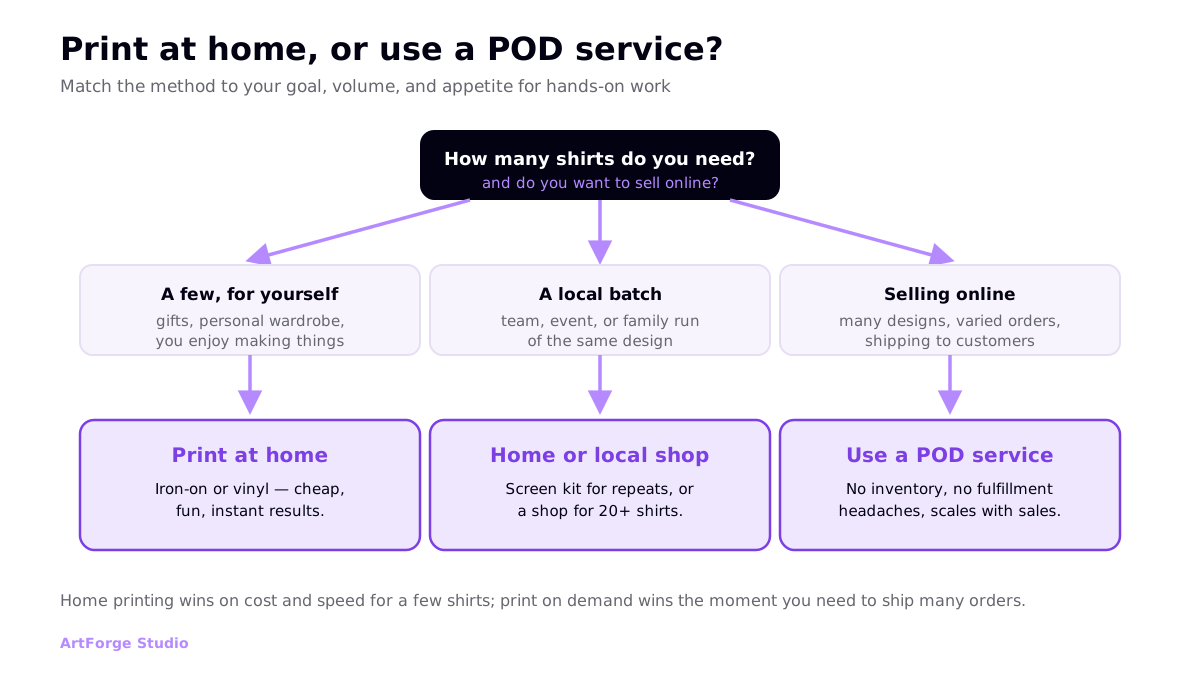
- Print at home when you want a few shirts for yourself, enjoy the craft, and want instant results at low cost.
- Use a local shop or screen kit for a one-off batch of the same design (a team, event, or family reunion).
- Use a print-on-demand service when you want to sell online: no inventory, no equipment, and the provider handles printing and shipping. If that is your goal, start with our guide to how to start print on demand and starting a t-shirt printing business.
Many sellers do both: they prototype and experiment at home to test designs, then move the winners to a POD partner once they are ready to sell at volume.
Frequently asked questions
What is the easiest way to print t-shirts at home?
Iron-on transfer paper is the easiest method. You print your design onto special transfer paper with a regular inkjet printer, cut it out, place it face down on the shirt, and press with a household iron for about 10 to 15 seconds. It needs no special equipment beyond an iron and works well for one-off shirts and gifts.
How much does it cost to start printing t-shirts at home?
It ranges widely by method. Bleach designs and iron-on transfers can start for under $30. A vinyl setup with a cutting machine and heat press runs roughly $100 to $300 as of 2026. A sublimation or DTF setup with a dedicated printer and heat press can reach $300 to $500 or more. You can also buy ready-made DTF transfers and only need a heat press to apply them.
Do I need a heat press to print shirts at home?
No, but it helps. A household iron works for iron-on transfers and small vinyl designs. A heat press gives more consistent temperature and even pressure, which matters for vinyl, sublimation, and DTF transfers, and it produces more durable, professional results. Many home printers start with an iron and upgrade to a press later.
What is the most durable home t-shirt printing method?
Among home methods, screen printing and sublimation are the most durable. A properly cured screen print lasts the longest, and sublimation is permanent because the dye bonds into polyester fibers rather than sitting on top. Heat transfer vinyl and DTF are also durable when applied correctly, typically around 50 washes.
Is it cheaper to print shirts at home or use a service?
For a few shirts you make yourself, printing at home is usually cheaper per shirt once you own the equipment. But if you want to sell online and ship to customers, a print-on-demand service is often smarter: it handles printing, packing, and shipping with no inventory and no equipment cost, so you avoid the fulfillment work entirely.