DTF T Shirt Printing: The Complete Guide
DTF t shirt printing (direct-to-film) has become one of the most popular custom-apparel methods because it does something no other method does as well: it prints bright, durable, full-color designs onto almost any fabric — cotton, polyester, blends, light or dark — with no minimum order. Instead of printing onto the garment directly, the design is printed onto a film, coated with adhesive, and heat-pressed on.
This guide breaks down exactly how the DTF process works, how it stacks up against DTG, sublimation, and vinyl, what it costs at different order sizes, and when it is the right choice.
How DTF t shirt printing works, step by step
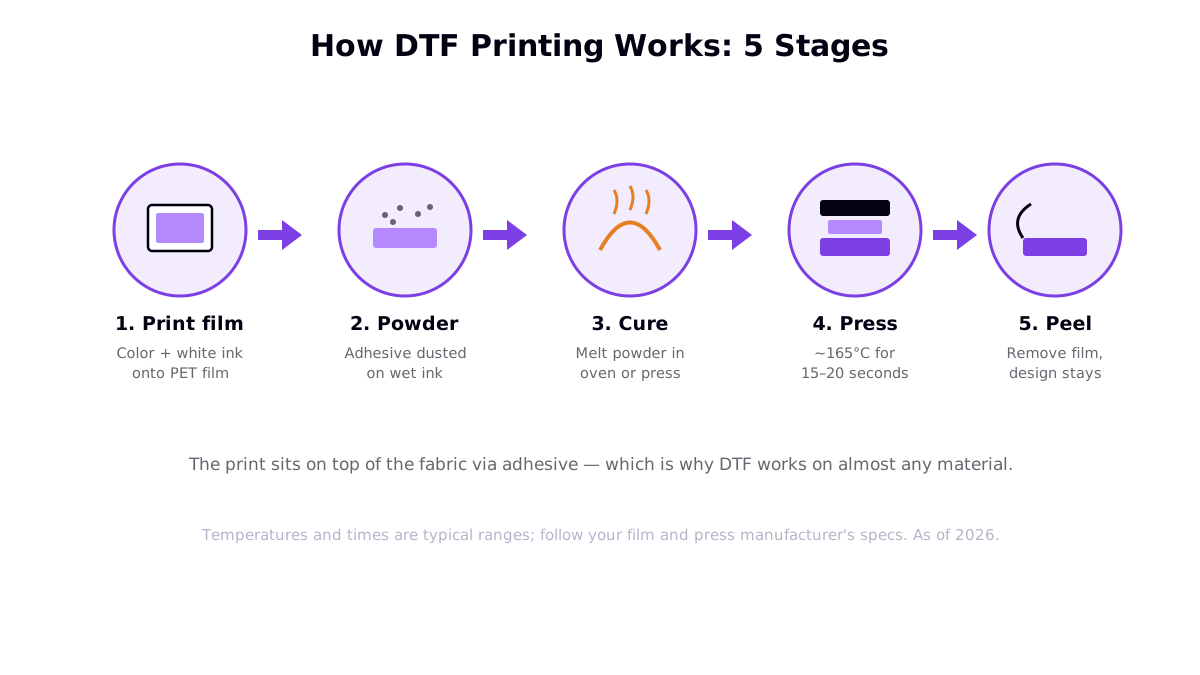
DTF is closer to heat transfer than to direct printing. The design lives on a PET film until the final press. There are five stages:
- Print the film. A DTF printer lays the color design onto a PET film, then prints a solid white layer over the top. That white underbase is what lets the print show up on dark garments.
- Apply adhesive powder. While the ink is still wet, a hot-melt adhesive powder is dusted evenly across the print and the excess shaken off.
- Cure the powder. The film is heated in a curing oven or under a press so the adhesive melts and bonds to the ink.
- Heat-press onto the garment. The film is pressed onto the shirt, typically around 165°C for about 15–20 seconds (follow your film's spec), bonding the design to the fabric.
- Peel the film. After it cools (or hot, depending on the film), the PET carrier is peeled away, leaving the printed design on the shirt.
Because the design attaches with adhesive rather than soaking into the fibers, DTF is not fussy about the fabric underneath — the single biggest reason it has spread so fast.
DTF vs DTG, sublimation, and vinyl
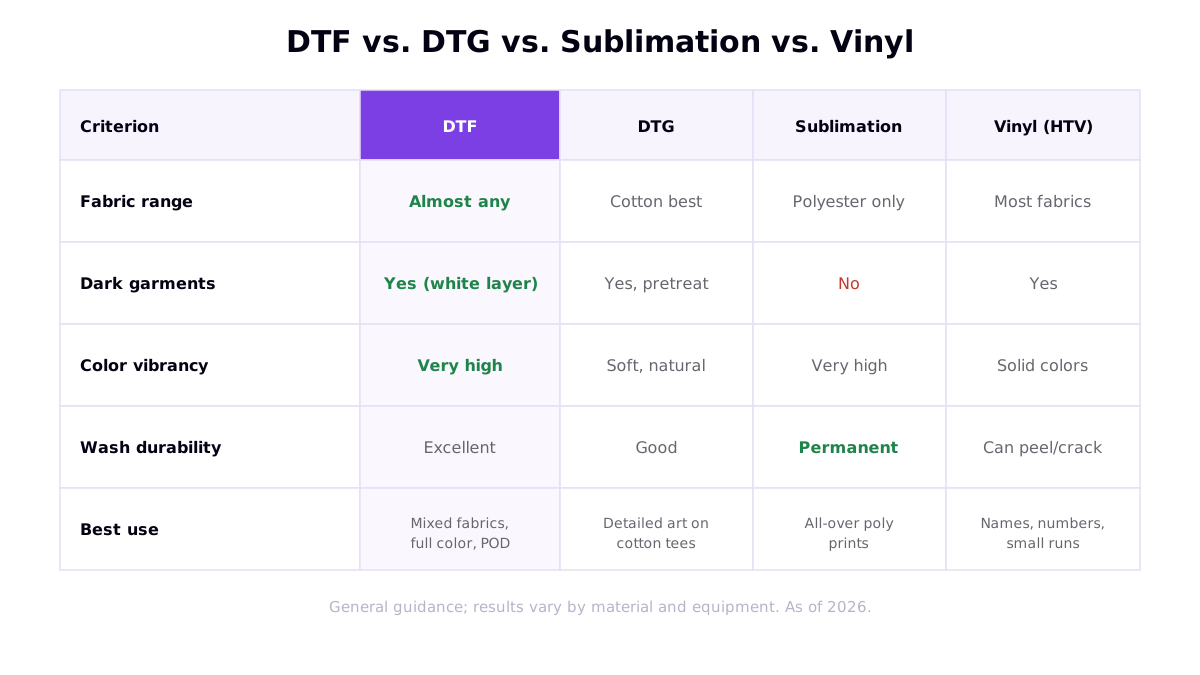
DTF is not automatically "the best" method — it is the most versatile. Each method has a job it does better. Here is how they compare on the factors that matter for apparel.
DTF vs DTG
DTG (direct-to-garment) prints water-based ink directly into cotton fibers, giving a soft, "no-feel" finish and excellent detail on cotton. DTF sits on the surface with an adhesive, so colors are brighter and it works on polyester and blends that DTG struggles with. DTG feels softer; DTF is tougher and more flexible on fabric choice. For a deeper look at the garment-native method, see our DTG printing guide.
DTF vs sublimation
Sublimation turns dye into gas that bonds permanently with polyester fibers, so the print becomes part of the fabric with zero hand-feel — but it only works on polyester and light colors. DTF works on cotton, dark shirts, and blends where sublimation cannot go. If you are printing 100% polyester or all-over designs, our sublimation t shirt printing guide covers that path.
DTF vs vinyl (HTV)
Heat-transfer vinyl is cut, weeded, and pressed, which is great for names, numbers, and simple solid-color graphics in small quantities. It cannot easily do full-color or photographic designs, and multi-color vinyl means layering. DTF handles unlimited colors and gradients in a single transfer. See our vinyl shirt printing guide for when HTV still makes sense.
DTF cost by order quantity
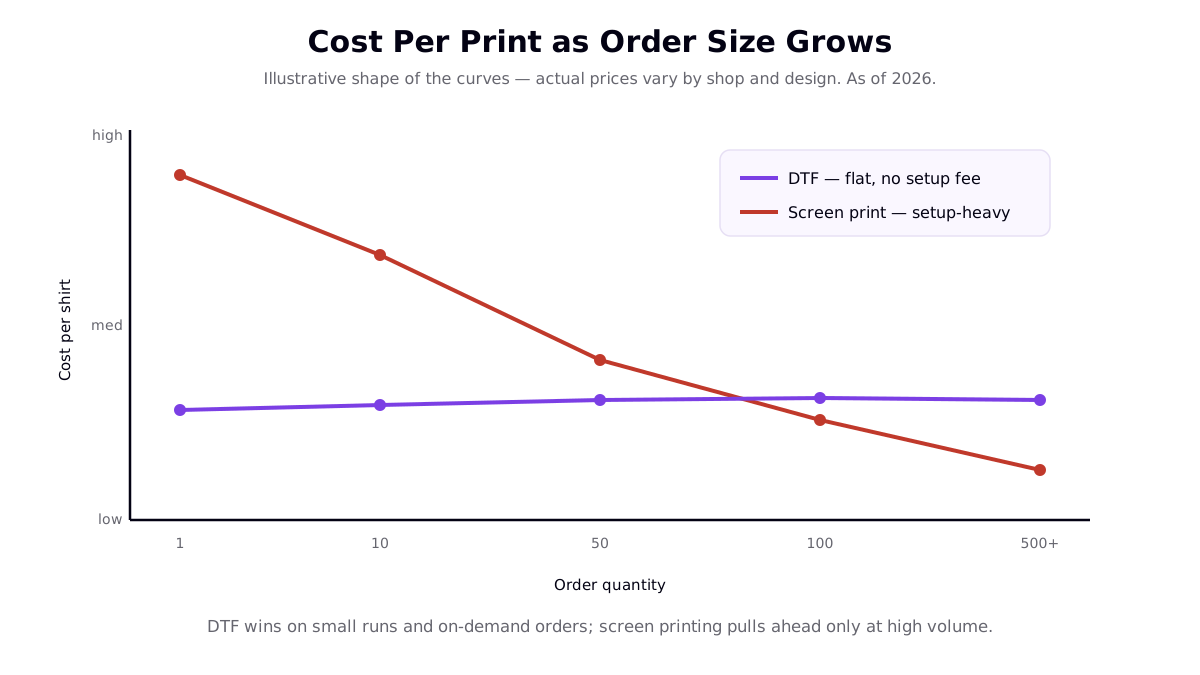
DTF's economics are the mirror image of screen printing. Screen printing has high setup cost (a screen per color) that only pays off at volume. DTF has no per-color setup, so the cost per shirt stays roughly flat whether you print one or one hundred — which is exactly why it suits print on demand and small custom runs.
| Order size | DTF fit | Screen print fit |
|---|---|---|
| 1 shirt (on demand) | Ideal — no setup fee | Impractical — setup dominates |
| 10–50 (small run) | Strong — flexible, full color | Getting competitive per unit |
| 100+ (bulk) | Still viable | Often cheapest per unit |
| 500+ (large bulk) | Fine, but not cheapest | Best per-unit cost |
For sellers using print-on-demand providers, DTF is often the default method for exactly this reason — you pay per item with no minimum, which fits the whole POD model described in our what is print on demand primer.
Preparing artwork for DTF
DTF rewards clean, high-resolution files. A few essentials:
- Resolution: roughly 300 DPI at the final print size so detail stays crisp.
- Transparent background: supply a PNG with true transparency; the white layer is generated from your artwork's opaque areas.
- Bold, confident color: DTF's vibrancy shines with saturated designs, but fine hairlines can be fragile — keep small details substantial.
Getting print-ready files right is the same discipline whether you use DTF or any other method — it starts at the design stage, as covered in our complete t shirt design guide.
Pros and cons of DTF
No method is perfect. DTF's strengths are exactly what make it the default for on-demand and mixed-fabric work, but it has real trade-offs worth knowing before you commit.
| Strengths | Trade-offs |
|---|---|
| Works on nearly any fabric, including dark garments | Print sits on top, so it has more "hand-feel" than DTG or sublimation |
| Bright, vibrant full-color prints with gradients | Very large solid prints can feel slightly heavy or less breathable |
| No per-color setup, so single items are economical | Not the cheapest option at very high bulk volumes |
| Strong wash durability when pressed correctly | Requires proper press temperature, time, and pressure to bond well |
To keep a DTF print looking new, wash the garment inside out in cold water and avoid high-heat drying and direct ironing over the design. Handled that way, a quality transfer holds its color and flexibility through many wears.
Frequently asked questions
What is DTF t shirt printing?
DTF stands for direct-to-film. Instead of printing ink straight onto the garment, the design is printed onto a special PET film, coated with adhesive powder, cured, then heat-pressed onto the shirt and peeled away. Because it uses an adhesive rather than bonding with the fibers, DTF works on almost any fabric — cotton, polyester, blends, and dark garments — with bright, vibrant color.
Is DTF better than DTG?
It depends on the fabric and look you want. DTG (direct-to-garment) prints water-based ink into the fibers for a soft, natural feel and excels on cotton. DTF sits on top of the fabric, giving brighter colors and working across far more materials including polyester and blends. DTG feels softer; DTF is more versatile and often more durable. Many print providers use both depending on the order.
How durable is DTF printing?
DTF prints are highly durable when applied correctly. Because the design is bonded with a strong adhesive and the ink sits on the surface, quality DTF transfers are commonly rated to survive many wash cycles without significant cracking or fading. Following the correct press temperature, time, and pressure — and washing inside out in cold water — maximizes longevity.
What temperature is used for DTF transfers?
A typical DTF transfer is pressed at around 165°C (roughly 325–330°F) for about 15 to 20 seconds, though exact settings depend on the film and adhesive you use. Always follow your film and heat-press manufacturer's recommended temperature, time, and pressure, and test on a sample first.